How can you avoid common badminton training mistakes?
The tips below offer advice to players, parents and coaches. Advice that is actionable right now.
You don’t have to follow all of the 6 suggestions just pick out the ones you think you can apply today.
Hopefully, you are already doing most of them!
– – – – – – – – – – – – – – – – – –
1 Keeping a training log
2 Train with bodyweight at home
3 Fuel properly before/during/after workouts
4 Hydrate properly before/during/after workouts
5 Train your limiters
6 Are you having enough fun?
– – – – – – – – – – – – – – – –
1 Keeping a training log
A training log can help you decide what types of specific training works best for you. Problems, fatigue or injury as well as better than expected results can be traced by looking back through a training log.
Ideally, the type of information required to make it of use would be duration, intensity, recovery and of course the Badminton element worked. Don’t just write games or multi-shuttle. To be specific e.g. ‘round the head’, conditioned singles games, backhand overheads, shadow work, bleep, sprints, etc.
Extra Specific Information
Then go that extra level and record specifically what you did and the things you can remember eg “stop slow drops – hitting the back of the shuttle to send it upwards”, or, “low serving only singles games using a flatter serve into their backhand racket face”.
I would recommend that you also leave space for general comments just as ‘I felt great’, ‘backhand improving, its much flatter’, ‘back niggle felt during round the head multi-shuttle 5 x 15 shuttles work’, ‘stiffness at the start but disappeared’.
All these will go towards improving your evaluation of your practice and providing early clues towards the causes of any injury and to why you are improving.
Record how you feel
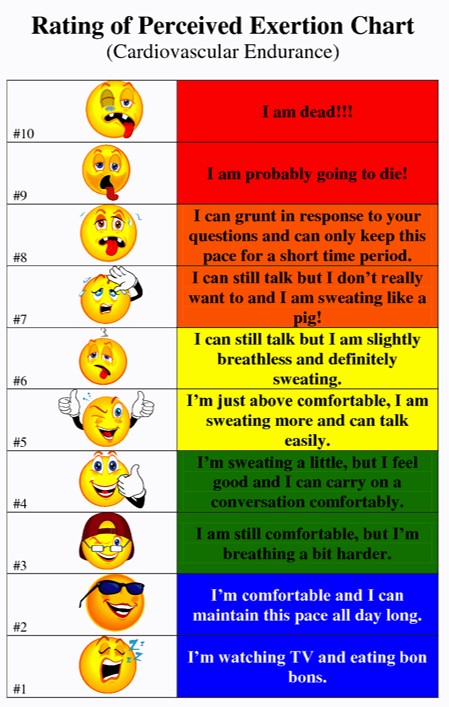
 There are many ways to measure intensity. I like the Borg scale. It identifies the amount or Rate of Perceived Exertion (RPE) you feel. Perceived exertion is how hard you feel your body is working. Try it out, and remember, you don’t always have to be working at level 9 or 10.
Its great to look back a few month or yeras and smile at the improvements you made. It will also show you there are good and bad times throughout your development.
– – – – – – – – – – – – – – – –
2 Train with body weight at home
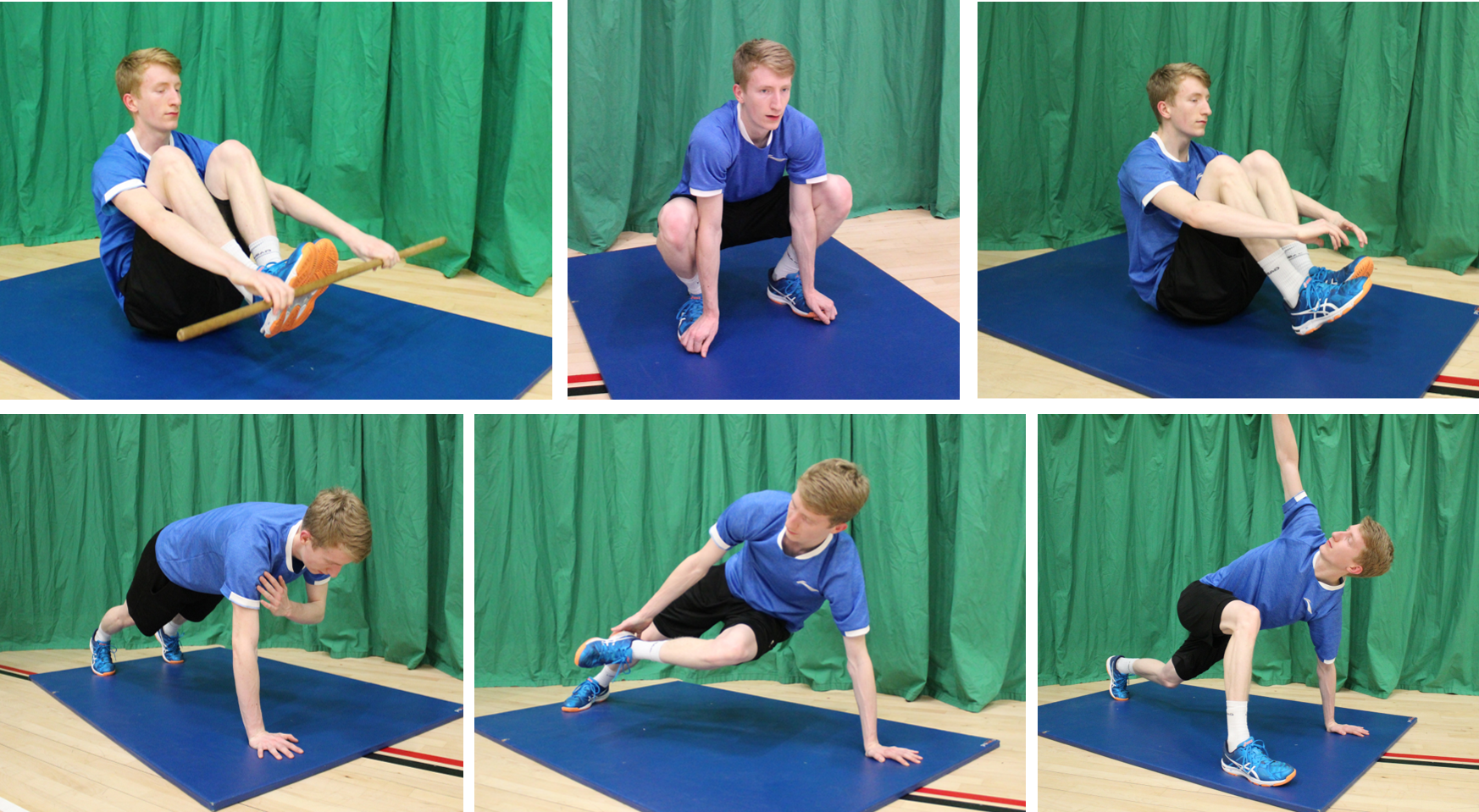
Body weight training is easy. There is no need for equipment, or asking someone to take you to the gym, it can be done at home, even in the kitchen. Yes, the kitchen. I’ve worked with at least 2 players who have a written mini circuit and they do it in the kitchen or family room.
Include movements that contribute to your Badminton. I recommend that you focus on whole body movements such as squats, planks, lunges. Remember to include rotations and offset balances. These will help improve all your stabilising muscles that you need on the court for lunging, jumping, rotating, arching, etc.
No matter how fast you can run or what level your bleep, if your core fatigues, on court recovery and movements will suffer. Train all areas but don’t forget to include these. Take time to strengthen your body and remember its not all about 2 minute planks or ripped abs.
– – – – – – – – – – – – – – – –
3 Fuel properly before/during/after workouts
Topping up and replenishing your bodies stores is essential for optimum training and recovery. Ensure you have breakfast, a snack before training, eat immediately afterwards and don’t skip meals. Improvements in strength and any intense training regimes will require fuel. If you don’t supply your body with fuel you will be wasting your efforts and gains will not be seen, no matter how hard you work.
Learn to love food and learn to love cooking food!

– – – – – – – – – – – – – – – –
4 Hydrate properly before/during/after workouts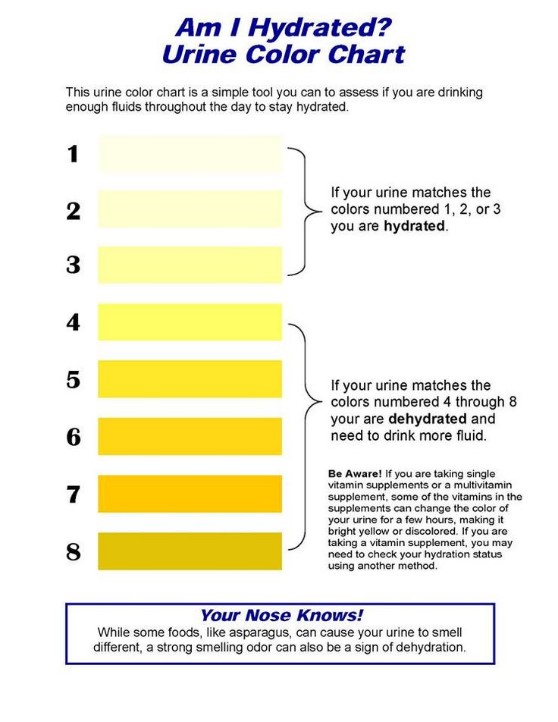
It’s important! Even a small percentage loss in body weight due to fluid excretion will cause a drop in performance both physically and especially mentally.
Remember to drink water regularly throughout the day and especially before training. Make it a habit to check the colour of your urine and see if there is a link to the amount of fluid you have taken and a link to how you feel.
Your concentration levels may suffer before your muscles do. Look out for this and take an extra drink to training next time.
If you are feeling dizzy or lightheaded, have a dry mouth and lips, or muscle cramps, or just in a bad mood then try taking a drink and see how you feeling 15 mins.
Be aware that some supplements may discolour your urine so consider other factors before deciding you need more fluid.
Be aware that drinking too much prior to or during a training session can have a negative effect or even lead to vomiting during strenuous exercise.
– – – – – – – – – – – – – – – –
5 Train your limiters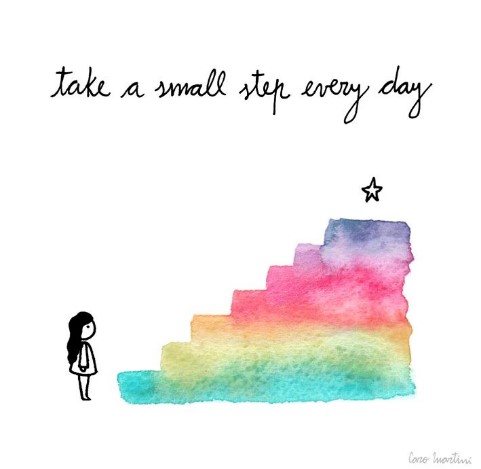
It’s easy to train your strengths, but don’t neglect the weaknesses — especially if a particular weakness stands in the way of reaching your goals. This applies to all aspects of your game on and off the court.
It may be a stroke that you know needs improving but you ignore or only train once every 5 or 6 sessions. It could be a physical aspect such as a daily set of exercises to help reduce knee pain. They only take 15 mins each night but you still forget or tell yourself that you will catch up tomorrow.
If this is you then don’t criticise yourself. Make a plan, an agreement with yourself to start small and to be regular each day. Ensure that you try to improve something every week, every day, every training session. The improvement may surprise you. It will stop being an effort and turn into a habit, an enjoyable one.
Identify those small things that hold you back – make a plan – do something positive each week, each day to change them.
– – – – – – – – – – – – – – – –
6 Are you having enough fun?
Never forget to have fun training and competing. After all, isn’t this the main reason to do it in the first place?
Fun comes in many different forms so make sure you find it on and off the court !!
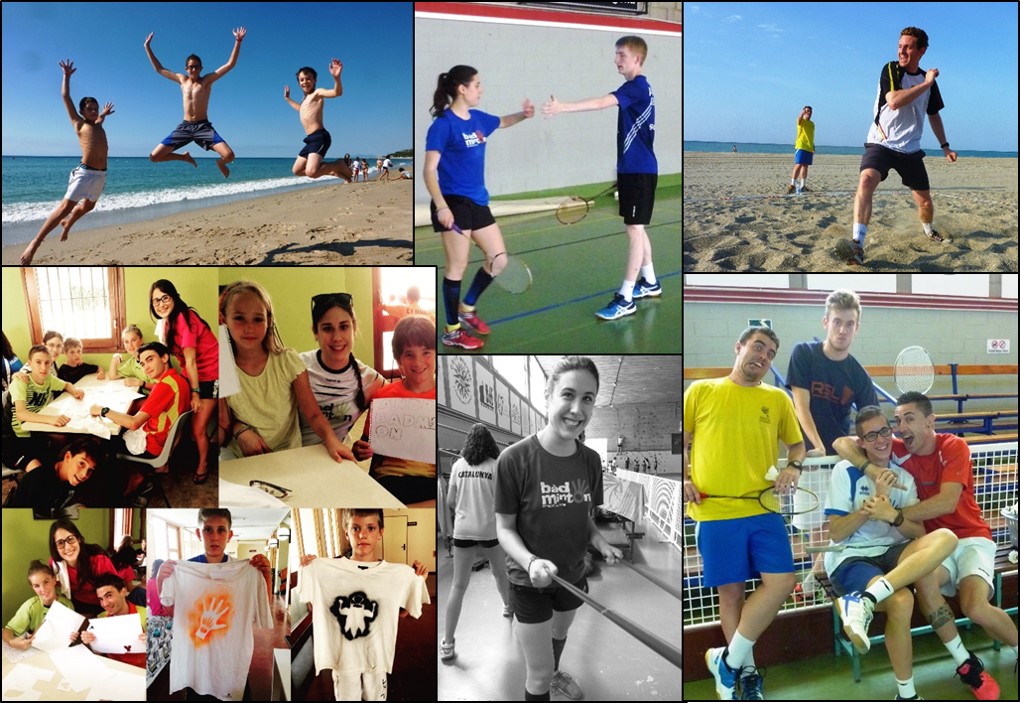
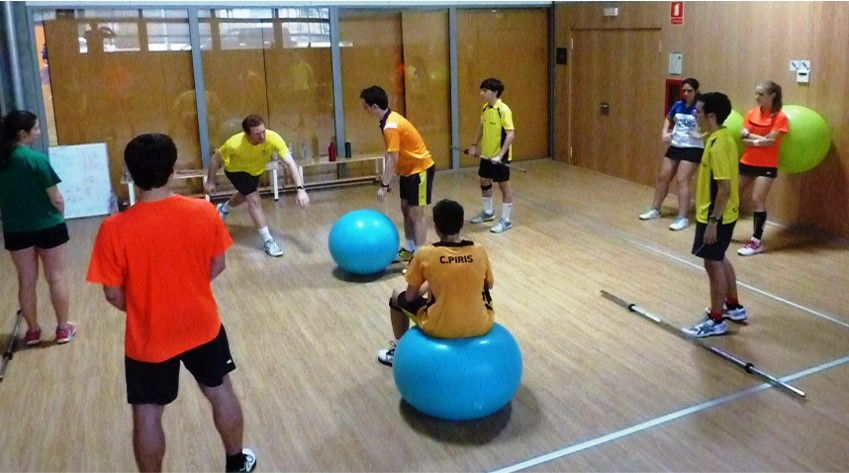
If you like the look of this camp above contact me and I can put you in touch with the organisers
Look out for a 6 Ways to enjoy your Badminton and a 6 Ways to survive a training camp