
The role of the 1st coach (in part) is
to “error-proof” players
Often, self-discovery techniques don’t provide the best outcomes if future performance is the goal.
However, are all inappropriate techniques equal in their future-limiting potential?
Come and explore them with me.
What do these technique errors look like, why do they occur, how could they be corrected, and most importantly prevented from happening?

I’ve created a series of posts, each focused on a critical technique error. Together we explore each issue in detail.
The theme throughout is Error Prevention rather than Error Correction. Each post explores:
I promise to share the great advice I’ve been given — and the mistakes I’ve made.
Seeing and recognising limiting badminton techniques are two very different skills. What you notice depends on your knowledge, experience, and motivation.

Early in a coaching journey there is simply too much to see. Sorting cause from effect is difficult and completely normal.
Make observations, decide what outcome you expected, and compare it with what actually happened — preparation, movement, and recovery.
Talk with other coaches, but don’t assume they see or think the same way you do.
Some coaches feel uncomfortable when their players display technical problems. Whether the fault developed through coaching or naturally, feelings don’t help players improve.
If you don’t act, players likely won’t change — and may leave.
Sometimes coaches see a fault but choose not to intervene due to workload, group size, or fear of frustration.
The key question: Are you comfortable with the long-term consequences of non-action?
Immediate action without a plan risks:
Are you observing to gather information — or merely watching without truly seeing?
There’s no single question that provides clarity. Writing thoughts down often reveals insights later.
Consider the expected outcome, then what actually happened — preparation, movement, and recovery.
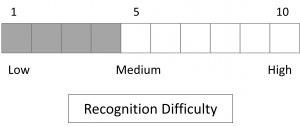
Easy-to-see faults are not always the most damaging. Subtle issues at speed are often the most limiting.
Many issues were right in front of me — I just didn’t yet have the experience to see them.
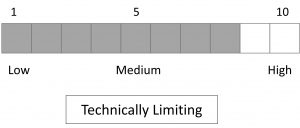
Not all faults are equal. Some minor-looking issues can block development or increase injury risk.
Recognition difficulty and long-term impact are not linked.
If development is your goal, you must know what issues exist and understand their impact.
You don’t always need to act — but you must understand the cost of not acting.
Error prevention rather than error correction